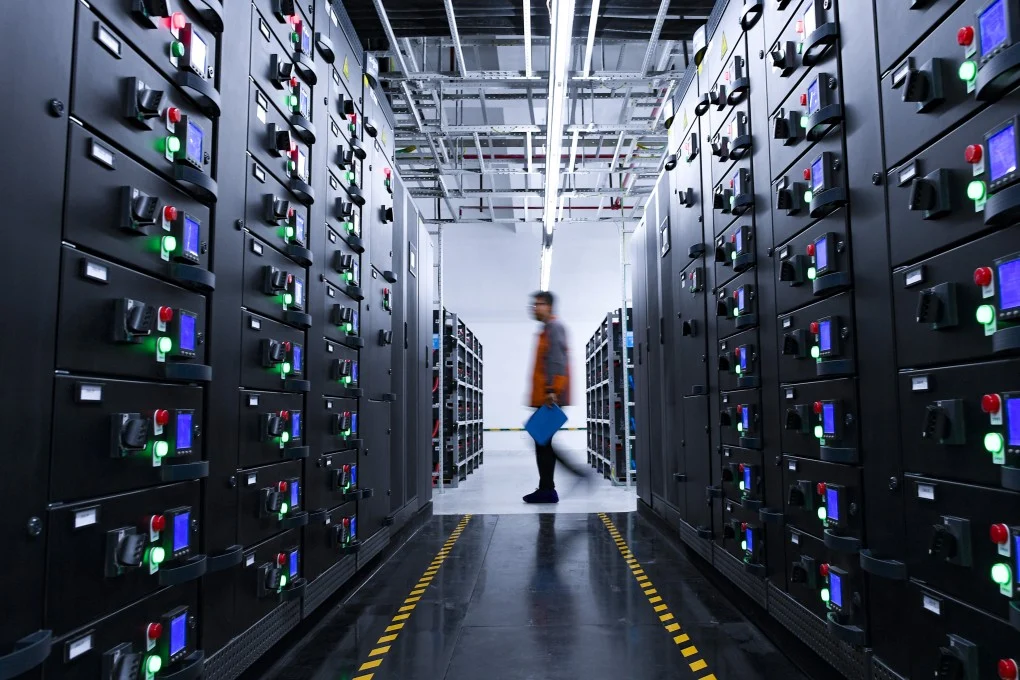
Hong Kong’s data centre boom: Powering innovation or jeopardising climate goals?
Steven Chan writes that “behind the gleaming servers and promised economic gains lies a sobering reality: our data centres are becoming one of the territory’s largest electricity consumers and carbon emitters, and current energy conservation policy is dangerously out of date.”
City must proactively secure essential resources
In this regard, as far as I can tell, the only aid offered by the Hong Kong government was the weekly publication of retail fuel prices after discounts offered by oil companies, starting on April 1. However, critics said this was simply inadequate. On April 9, the government proposed providing diesel subsidies to public and commercial vehicles and vessels, and related industries, and reducing tunnel tolls by half for commercial vehicles. Why does our government only seem to react to escalating public pressure rather than itself considering the needs of the public, particularly during difficult times?

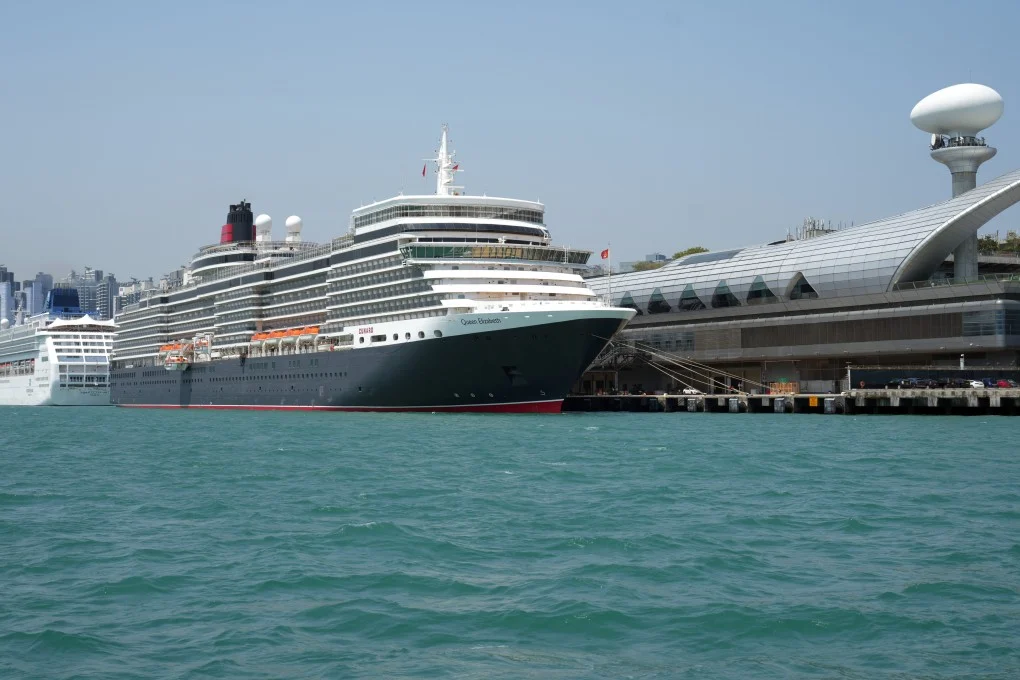
Onshore power in Hong Kong could bring about a sea change in emissions
The Green Earth and Clean Air Network found that there was a 43 per cent rise in nitrogen dioxide, an air pollutant, at Kai Tak Terminal when an onshore-power-capable vessel, Piano Land, was docked in August. Such a problem could have been avoided. The authorities must speed up the installation of shore power for cruise and container terminals in stages to prevent Hong Kong from lagging too far behind other ports.