
 Green Talks

News Articles
Let’s do better on paper and plastic bottle recycling
 26 Jan 2026
- Category
- Keywords

(15 Jan 2026, SCMP) The waste statistics for 2024, released last month, show both encouraging progress and pressing challenges in Hong Kong’s waste management. The per capita disposal rate fell to 1.4kg per day, the second lowest level in a decade, yet several trends require close scrutiny.
Foremost among these is a surge in paper waste. While the phasing out of single-use plastics led to plastic tableware waste falling by a notable 14.8 per cent to 207 tonnes per day, many businesses appear to have substituted plastics with paper-based alternatives.
Consequently, paper waste rose by about 12 per cent to 2,431 tonnes per day and is the second largest category of landfill waste.
The forthcoming EcoPark recycling plant is expected to process much of this locally. However, reports indicate that the suppliers’ minimum price of HK$1,200 per tonne is insufficient to sustain the entire used paper supply chain. The authorities must stabilise the frontline recyclers’ price to defend both environmental objectives and the livelihoods of grass-roots workers, including scavengers, and ensure the plant represents a genuine step forward.
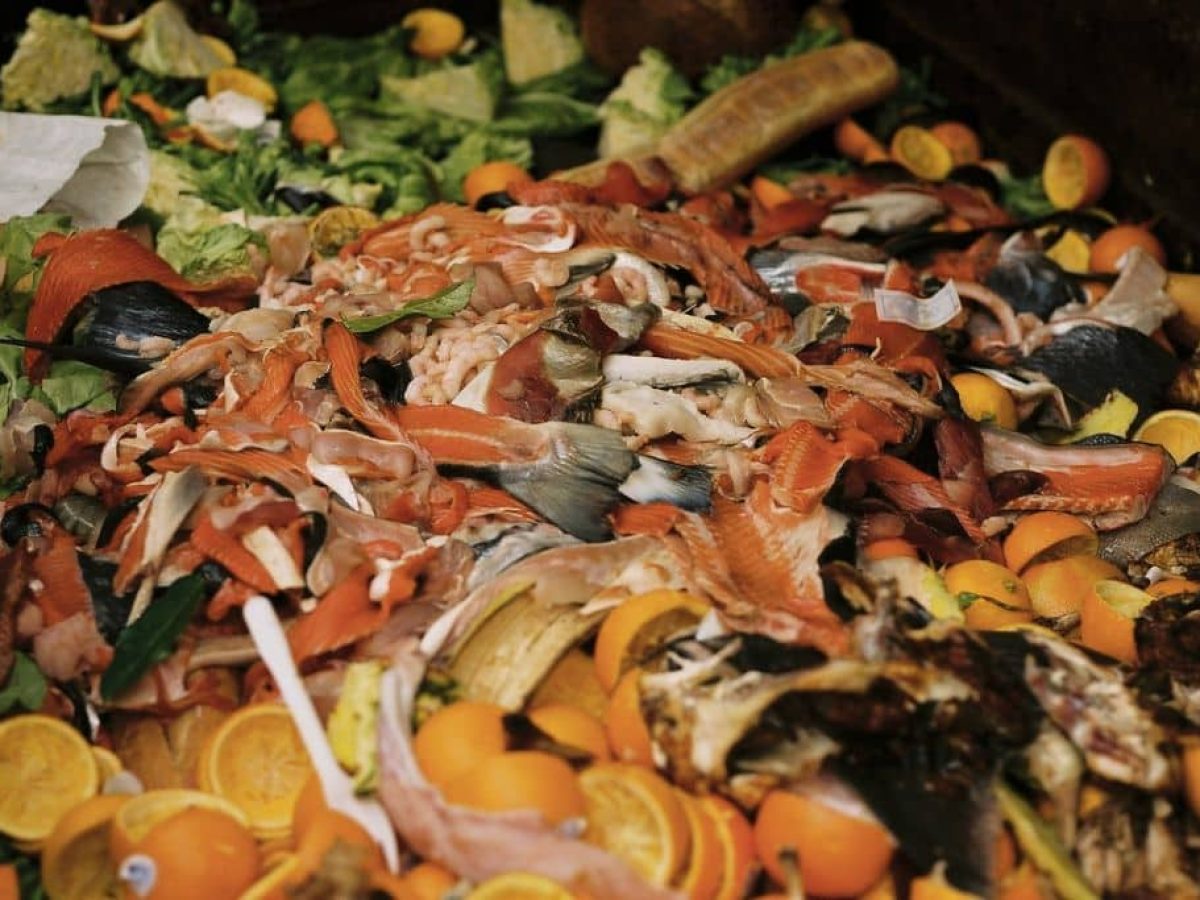
Food waste trends are more positive. The daily amount of food disposed in 2024 was 3,001 tonnes, 6 per cent down from 2023. By the end of 2024, about 1,200 smart recycling bins had been installed, collecting around 75,040 tonnes of food waste – nearly three-quarters of the total recycled. Overall, 104,800 tonnes of food waste were recycled, equivalent to half of Hong Kong’s treatment capacity of 219,000 tonnes annually.
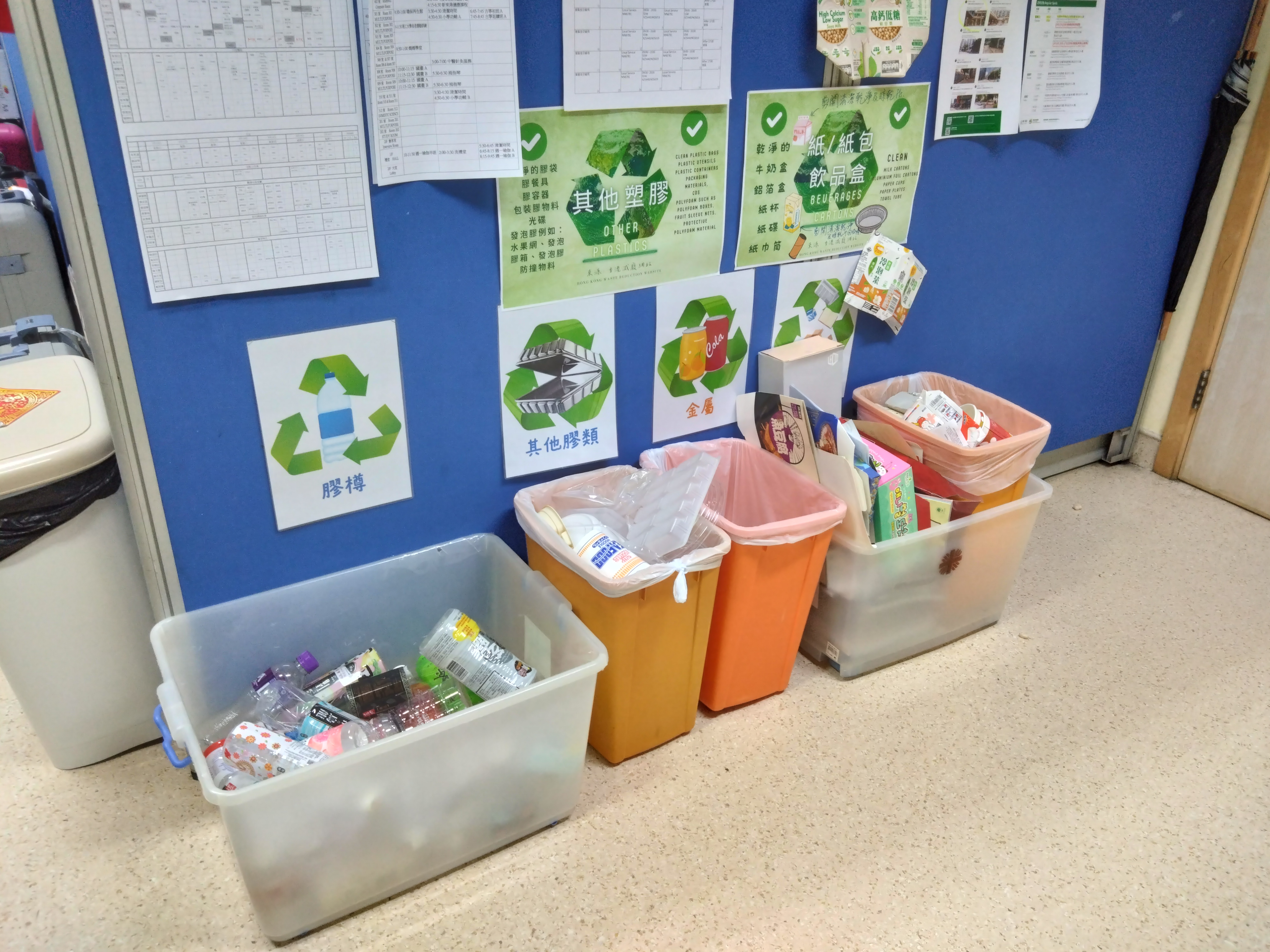
While public participation is strong, further policy measures are required to maximise the efficiency of existing infrastructure. Plastic bottles remain a significant concern. The amount disposed rose by 9 per cent to 217 tonnes per day, despite the reverse vending machine pilot scheme. In 2024, Hong Kong used an estimated 1.6 billion plastic bottles, yet only 64.5 million bottles were collected through 120 machines, representing a recycling rate of 4 per cent.
The government is suggesting a rebate of at least 10 cents and aiming for a 30 per cent recycling rate for plastic containers and 10 per cent for cartons. Singapore’s Beverage Container Return Scheme, to be launched this year with 1,000 return points and refunds of 10 Singaporean cents (or 60 HK cents), targets a return rate of 80 per cent by 2029.
Hong Kong should adopt similarly ambitious measures, with refunds between 50 HK cents and HK$1, to align with the goals of the Waste Blueprint for Hong Kong 2035.
Rico Wong, executive director, The Green Earth
South China Morning Post, Let’s do better on paper and plastic bottle recycling
 Back
Back
 03 Oct 2025