
 Green Talks

News Articles
City must proactively secure essential resources
 15 Apr 2026
- Category
- Keywords
(15 Apr 2026, SCMP) Since late February, the US-Israeli war on Iran has had a terrible human-induced impact on humanity and the planet, not to mention the civilian casualties, including vulnerable schoolchildren.
It is estimated that 5 million tonnes of carbon dioxide were released into the atmosphere in the first 14 days of the war. In addition to the numerous casualties, much of the infrastructure, including hospitals and schools, has been destroyed.
While no country can claim victory, all have suffered huge losses in many areas. The US spent over US$11.3 billion in the first six days of the war.
The national strategies of the US and China are very different. Top Chinese officials often make state visits to cultivate strategic alliances and collaboration that create mutual benefits. In contrast, Washington keeps creating conflicts and enemies by raising trade tariffs, abducting and killing state leaders, and coercing nations for land that does not belong to the US.
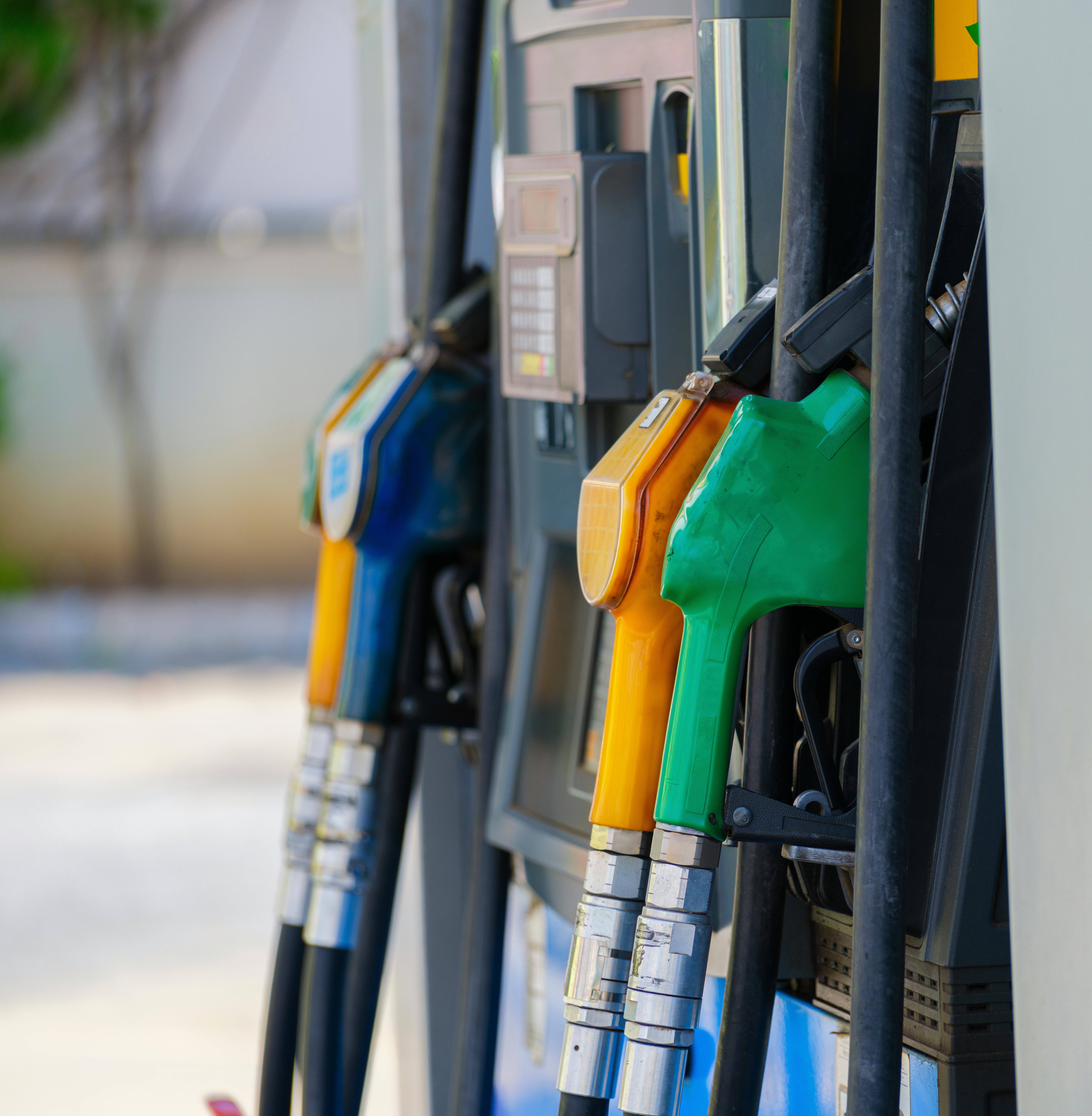
Around a month after the war began, the price of Brent crude oil had surged by more than 50 per cent, affecting almost all sectors and people worldwide. Countries have had to implement temporary controls to mitigate the negative impact.
On April 7, the Singaporean government announced a number of measures, including offering subsidies equivalent to HK$1,220 (US$156) to active platform workers and bringing forward the release of Community Development Council vouchers worth HK$3,070 for all households.
On March 23, the Chinese government introduced measures to limit the price of petrol and diesel to support businesses and citizens.
In this regard, as far as I can tell, the only aid offered by the Hong Kong government was the weekly publication of retail fuel prices after discounts offered by oil companies, starting on April 1. However, critics said this was simply inadequate. On April 9, the government proposed providing diesel subsidies to public and commercial vehicles and vessels, and related industries, and reducing tunnel tolls by half for commercial vehicles.
Why does our government only seem to react to escalating public pressure rather than itself considering the needs of the public, particularly during difficult times?
Senior officials should be reminded that it is their responsibility to ensure the security of the city’s essential resources, such as energy, water and food supplies, to protect us from highly probable future disruptions.
Edwin Lau Che-feng, founder, The Green Earth
South China Morning Post, City must proactively secure essential resources
 Back
Back
 17 Jan 2025