
 Green Talks

News Articles
In the National Games, Hong Kong has a model of a green mega event
 01 Dec 2025
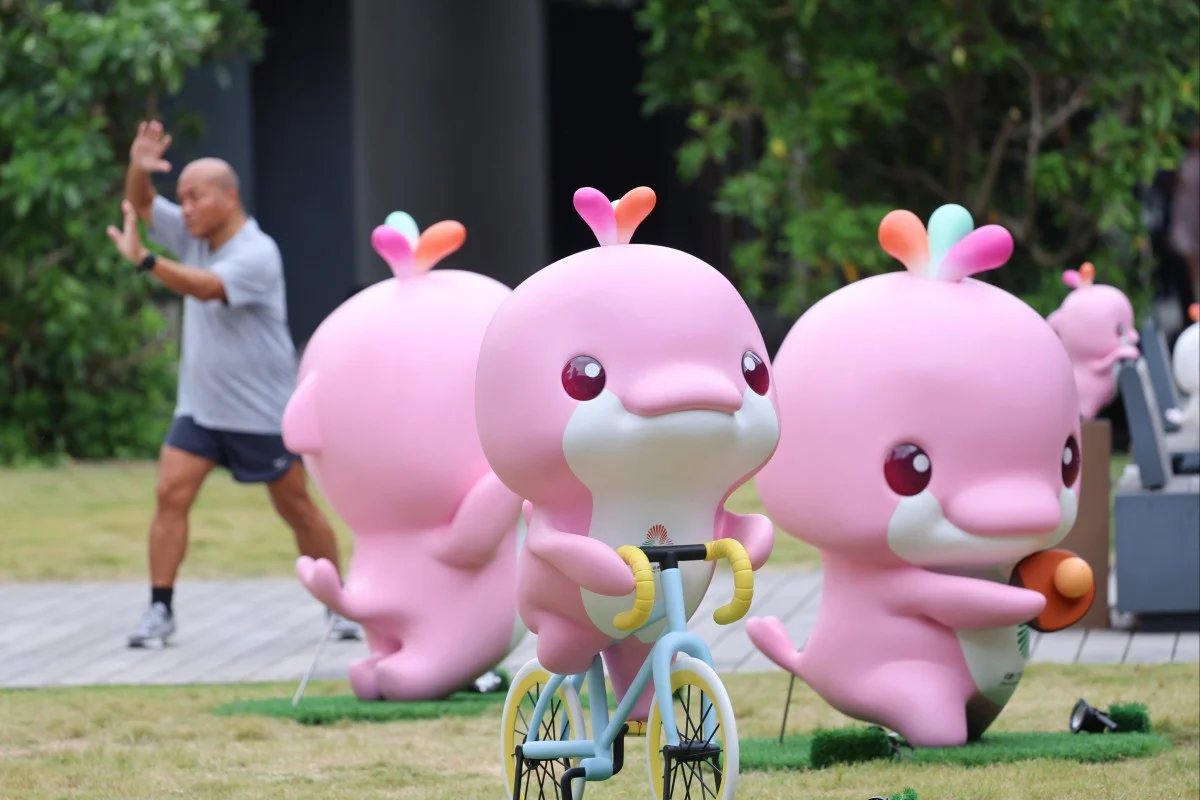
Jointly hosted by Guangdong, Hong Kong and Macau, the games followed the guiding concept of minimising waste and emissions. Hong Kong staged eight events in venues such as the Hong Kong Coliseum, Victoria Park and Fanling golf course. Crucially, the organising committee opted against building a new stadium, instead retrofitting existing facilities to avoid the emissions associated with new construction, which is estimated to have reduced energy consumption by 40 per cent. Renewable energy utilisation also tripled through advanced storage systems.
“Electricity‑free cooling” coating was applied to 9,700 square metres of rooftop and roof wall surfaces at the Hong Kong Coliseum, natural lighting was maximised at the Velodrome, and a hydrogen fuel cell generator was deployed at Fanling to showcase a cleaner alternative to diesel. Collectively, these initiatives exemplified the “Green National Games”.
Waste reduction was another priority. Recycling bins were widely distributed across venues, lowering disposal volumes and associated emissions.
Looking ahead, Hong Kong must build on this foundation, such as by expanding the use of energy-efficient devices, renewable sources and hydrogen fuel cells.
The saying “clear waters and lush mountains are invaluable assets” was vividly demonstrated at the 15th National Games. Similarly, the waste reduction targets outlined in the Waste Blueprint for Hong Kong 2035 should not be simply words on paper, but a clear promise by our government to safeguard the city’s sustainability.
Rico Wong, executive director, The Green Earth
South China Morning Post, In the National Games, Hong Kong has a model of a green mega event
 Back
Back
 15 Feb 2024