
 Green Talks

News Articles
The Green Earth’s Response to the Policy Address 2025
 17 Sep 2025
- Category
- Keywords
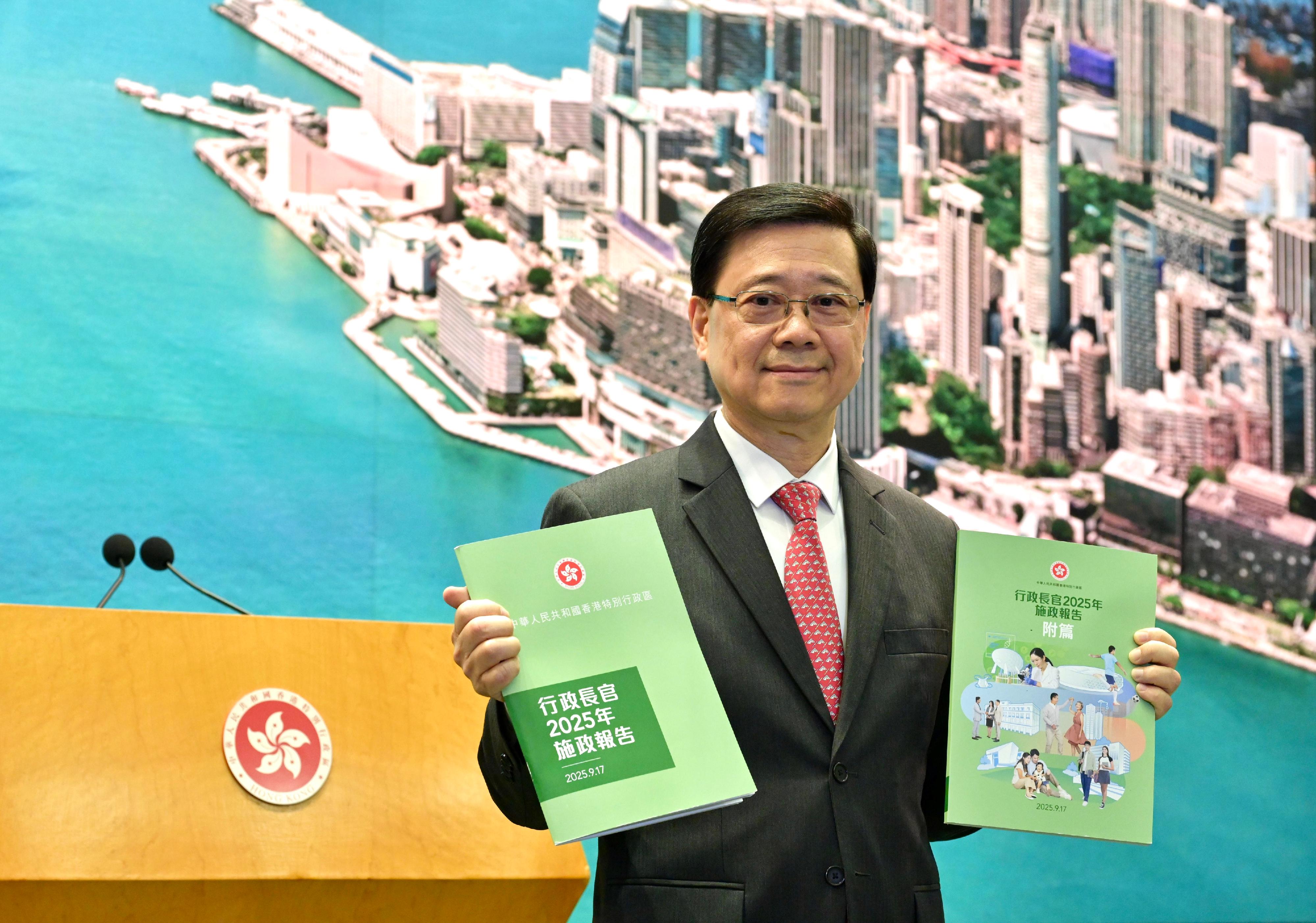
The Chief Executive, Mr John Lee, delivered his Policy Address 2025 on 17 September 2025. The environmental policies proposed largely follow existing measures and appear quite conservative in approach. Given the urgency of climate and environmental challenges, The Green Earth urges the authorities to adopt more proactive environmental strategies and to integrate sustainability concepts into economic and tourism development, thereby achieving the goals of high-quality and sustainable growth.
Ecotourism Requires Baseline Environmental Assessments and Enhanced Conservation Resources
The Policy Address outlines plans to promote ecotourism, including the “Four Peaks” Tourism initiative and the development of new camping sites. However, the departments responsible may lack sufficient resources and manpower for effective monitoring. Recent incidents, such as tourists lighting fires and capturing aquatic wildlife in geoparks, highlight the need for stronger oversight. The Green Earth recommends allocating additional resources and personnel to conservation, maintenance, and education efforts, and improving interdepartmental coordination to mitigate tourism’s environmental impact. Furthermore, we propose conducting baseline environmental assessments in ecotourism zones and carefully evaluating their ecological carrying capacity, including visitor flow limits.
Mega Events Should Incorporate Environmental Considerations to Avoid Excessive Waste
The Chief Executive has pledged to promote mega event tourism, which often receives official funding and recognition due to its popularity among tourists and the public. However, current approval processes lack environmental requirements, particularly regarding waste reduction. These events frequently generate large quantities of disposable items such as water cups, paper utensils, and souvenirs, creating an impression of extravagance and wastefulness. The Green Earth believes that environmental performance indicators should be one of the criteria for granting a mega event subsidy and events demonstrating stronger environmental credentials should be prioritised for support. During such events, reusable utensils and materials should replace disposables to promote green practices.
Northern Metropolis Should Embrace Renewable Energy and Improve Data Centre Energy Efficiency
The government is committed to developing the Northern Metropolis to revitalise Hong Kong’s innovation and technology sector, with numerous data centres expected to be built. These facilities demand substantial electricity and cooling water, contributing significantly to carbon emissions. The government should proactively assess the energy needs of the innovation sector and seize the opportunity to adopt renewable energy sources more broadly, thereby creating a low-carbon, high-tech Northern Metropolis. To enhance energy efficiency, The Green Earth recommends referencing best practices from Beijing and the European Union by setting upper limits on Power Usage Effectiveness (PUE) for data centres and phasing out those with excessive energy consumption.
Waste Reduction Should Prioritise Source Measures, with Recycling as a Supplement
The Policy Address places limited attention on waste reduction and recycling policies, focusing instead on community recycling and circular economy initiatives, such as optimising the “Green@Community” service schedule and expanding the food waste recycling network. The Green Earth supports the government’s efforts to promote community recycling, particularly food waste recycling, which has been well-received by the public. We hope the administration will continue to support these user-friendly systems and consider constructing large-scale food waste treatment facilities to convert waste into high-value resources such as biofuels. Data shows that greenhouse gas emissions from waste increased by 25% between 2003 and 2023, while landfill costs per tonne rose by 92% from 2013 to 2023, pushing total landfill expenditure beyond HK$10 billion and exerting dual pressure on public finances and the environment. The Green Earth advocates for robust source reduction policies to facilitate the implementation of municipal solid waste charging, leveraging green bonds to develop resource reuse projects. Supplemented by recycling, these measures can alleviate the urgent fiscal and climate threats posed by waste, promote a circular economy, and accelerate the green transition.
Producer Responsibility Schemes
The Policy Address mentions that the lithium battery recycling facility at the EcoPark will be in operation next year. The Green Earth welcomes this development, which lays the foundation for a producer responsibility scheme for vehicle lithium batteries. The government should make full use of the new facility and promptly formulate subsidiary legislation to support the scheme, in anticipation of the upcoming wave of electric vehicle battery replacements. Regarding producer responsibility schemes for plastic beverage containers and paper cartons, The Green Earth urges early legislation to introduce a deposit system. Previous public consultations revealed that nearly half of the respondents support a minimum deposit of HK$0.50 per plastic bottle. Many countries implementing similar schemes set deposits at around HK$1 and aim for recovery rates of 70% or higher, often achieving these targets within one to three years. We recommend the government draw on successful international experiences and implement a deposit scheme offering HK$1 per returned container, thereby incentivising recycling. Additionally, setting targets for reusable containers can further reduce beverage container waste.
Waste Incinerator to Commence Operation – Monitoring Must Be Frequent and Transparent
The Shek Kwu Chau waste incinerator is scheduled to begin operations by year-end, and the government plans to seek funding for a second incinerator. Recent months have seen multiple instances of excessive emissions from waste management facilities. As the government will oversee an increasing number of such facilities, The Green Earth recommends reviewing the mechanisms for publishing environmental data, consolidating monitoring results on a unified platform, and adopting best practices from Mainland China by releasing daily monitoring data from the previous day. This would enhance transparency and bolster public confidence in waste management infrastructure.
Green Shipping to Reduce Emissions – Shore Power for Ports and Sustainable Aviation Fuel Targets Needed
The Policy Address proposes enhancing the competitiveness of the Kai Tak Cruise Terminal. In recent years, the government has also promoted green marine fuel refuelling, which The Green Earth supports. To meet the International Maritime Organization’s emission reduction targets, Hong Kong should install shore power facilities at cruise and container terminals, enabling visiting vessels to use onshore electricity and significantly reduce greenhouse gas and pollutant emissions. This would also attract more shore-power-equipped ships to Hong Kong. This year’s Policy Address again references the application of Sustainable Aviation Fuel (SAF), reflecting the administration’s commitment to green energy. The Green Earth recommends setting appropriate usage targets by referencing international examples—Japan (10% by 2030), the EU (6% by 2030), and Mainland China (5% by 2030)—to support the aviation industry’s green transition.
 Back
Back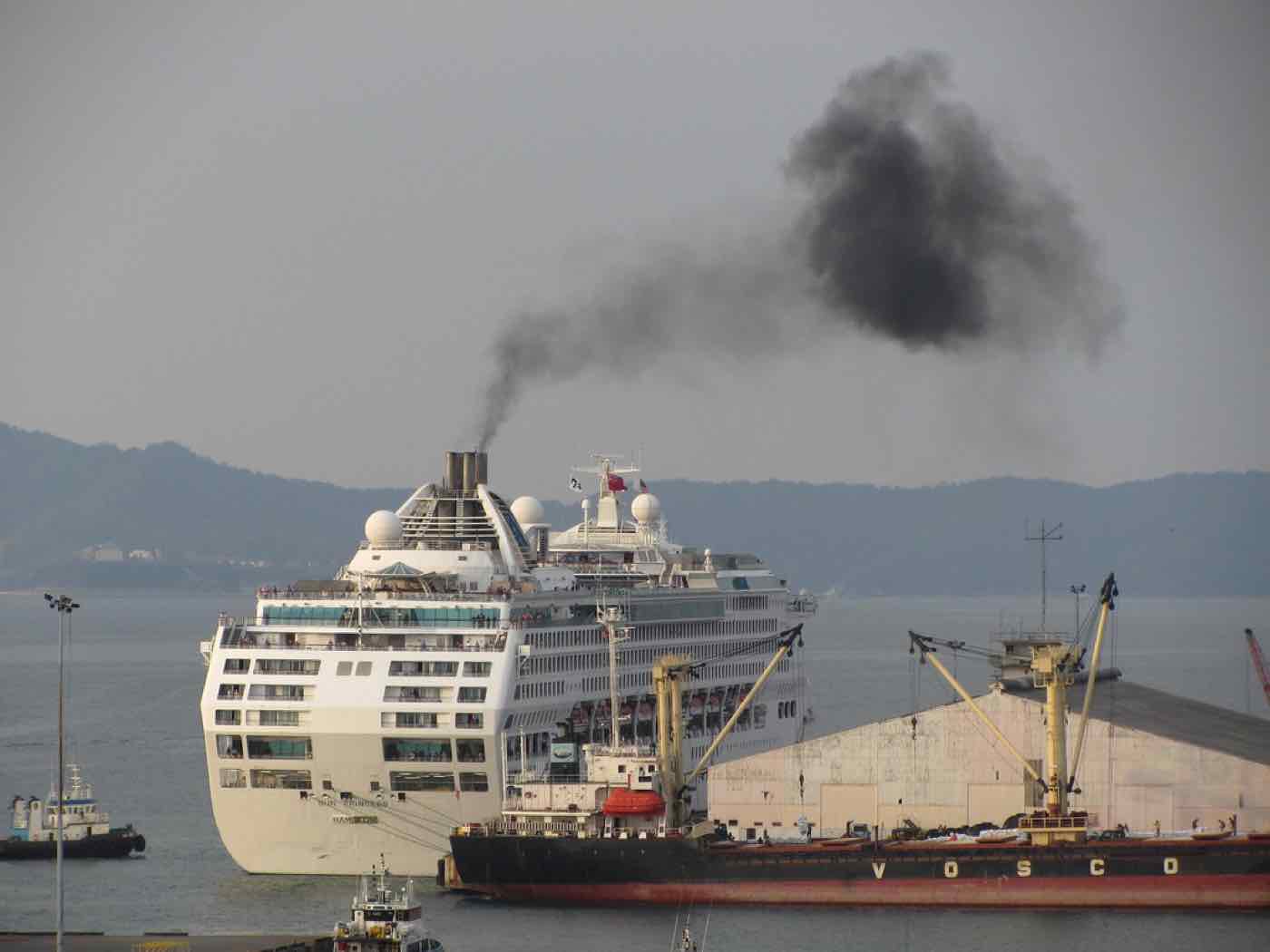
 18 Sep 2025