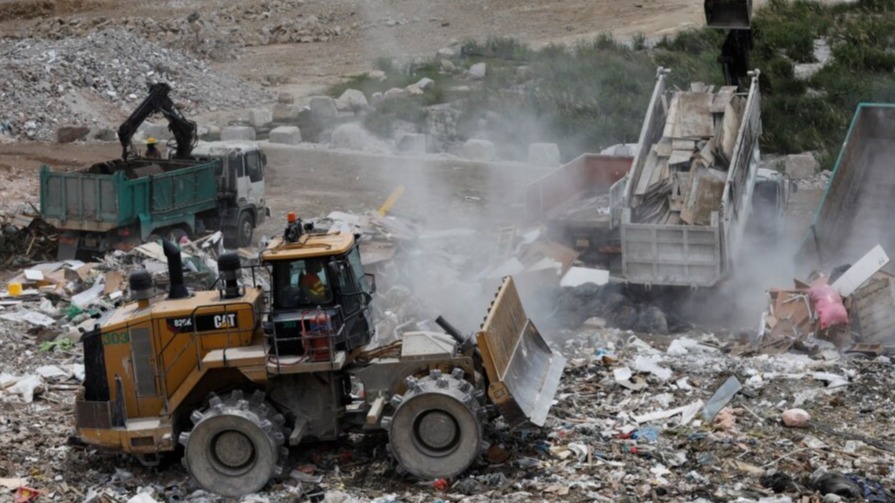
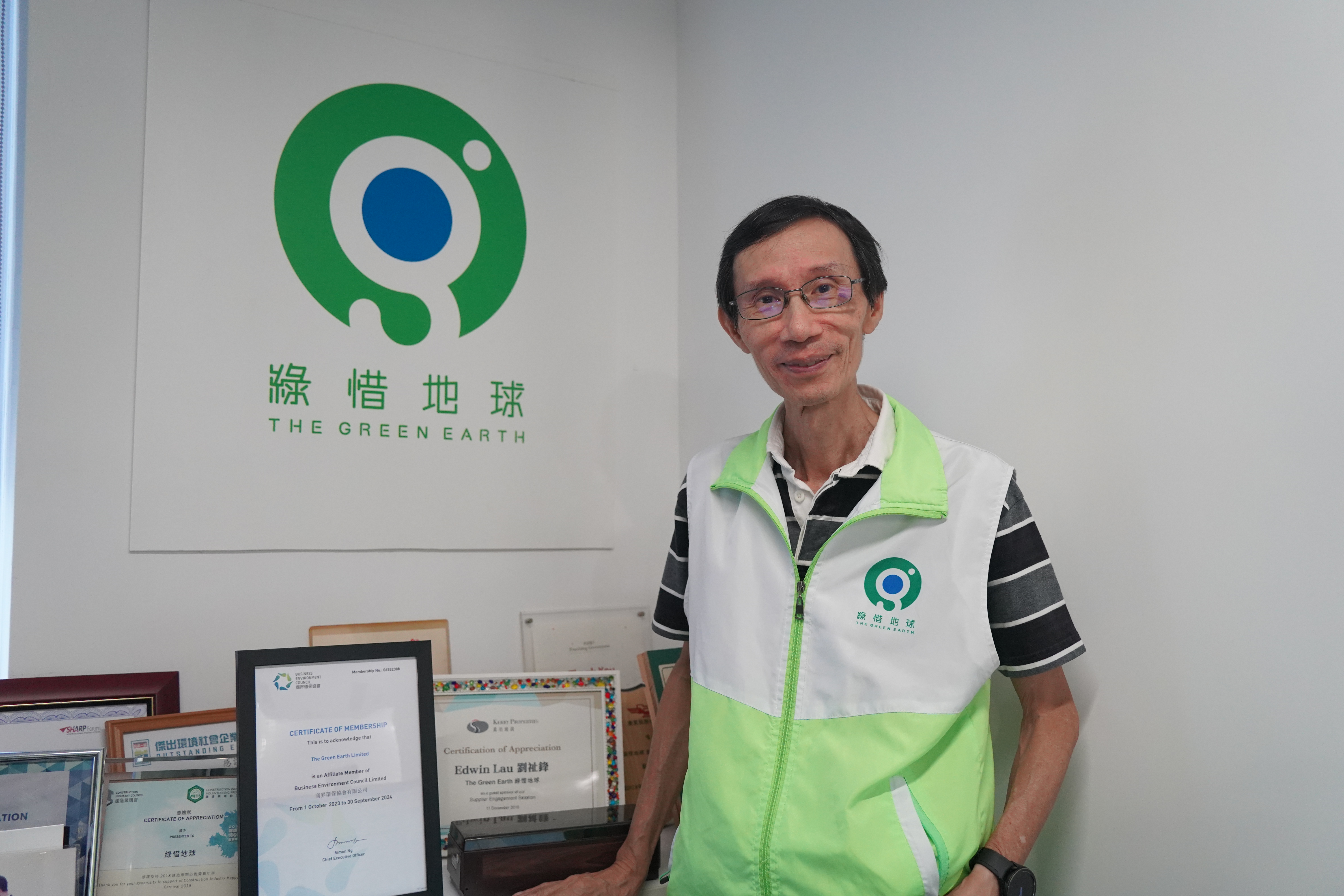
After decades at the front lines campaigning for environmental protection, The Green Earth founder Edwin Lau Che-feng is slowing down to focus on his health and hobbies. The 68-year-old has been one of the most vocal environmentalists championing a waste-charging scheme for more than two decades. Lau still remembers May 27, 2024, when the government abruptly paused the waste-charging bill, as if it were yesterday. The suspension was the biggest blow in his 36-year career. “It feels impossible. Never in my life have I heard of a law in Hong Kong that has already been passed, yet fails to be implemented,” he said.
Recent scientific findings indicate that Hong Kong’s residents may be inhaling large quantities of microscopic plastic particles daily. A study published in Science Advances reveals that airborne concentrations of these “invisible” plastics are significantly higher than expected, raising crucial public health questions.
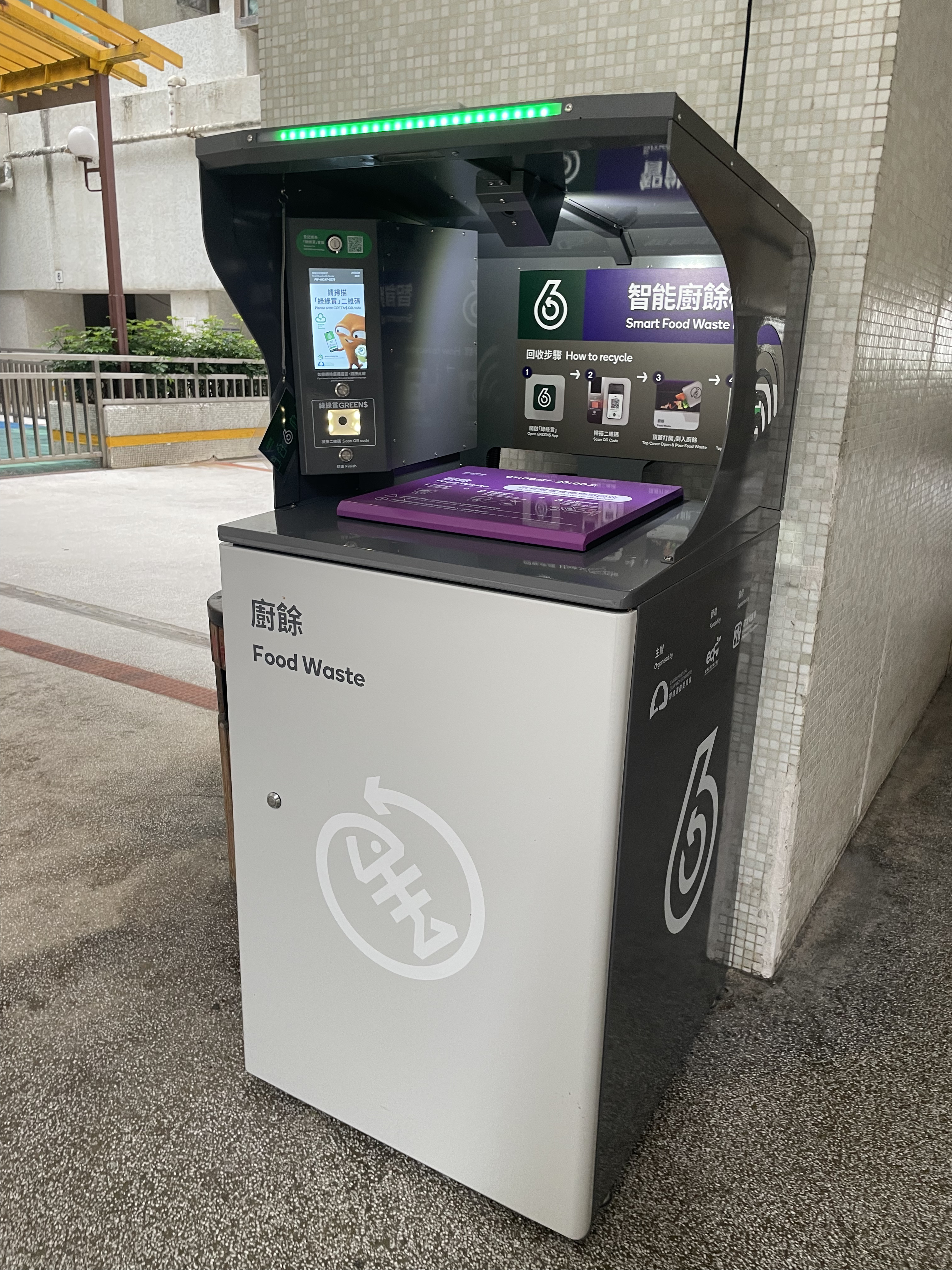
The department should analyse patterns: is disposed food near expiry, and do portions go untouched? Precise data would enable targeted fixes, such as incentives for donations, apps for portions and reforms to food labelling. The government ought to lead by extending support for food waste bins and prioritising analysis to cut food loss at the root.
(25 Dec 2024 SCMP) Hong Kong finally published last year’s waste statistics on December 19, nearly a month after Secretary for Environment and Ecology Tse Chin-wan shared some of the more positive developments in his blog on November 24. The good news of less waste generated is tempered by the lack of clarity on plastic waste statistics and officials’ mistaken faith in incineration as a solution.
(2022 年 10 月 14 日 專欄)提起英王查理斯三世,你想到什麼?世上在位最久的皇儲、與戴妃及卡米拉皇后的感情瓜葛,抑或是為鋼筆漏墨而「發脾四」?我想到的,倒是一位前衛的環保L。
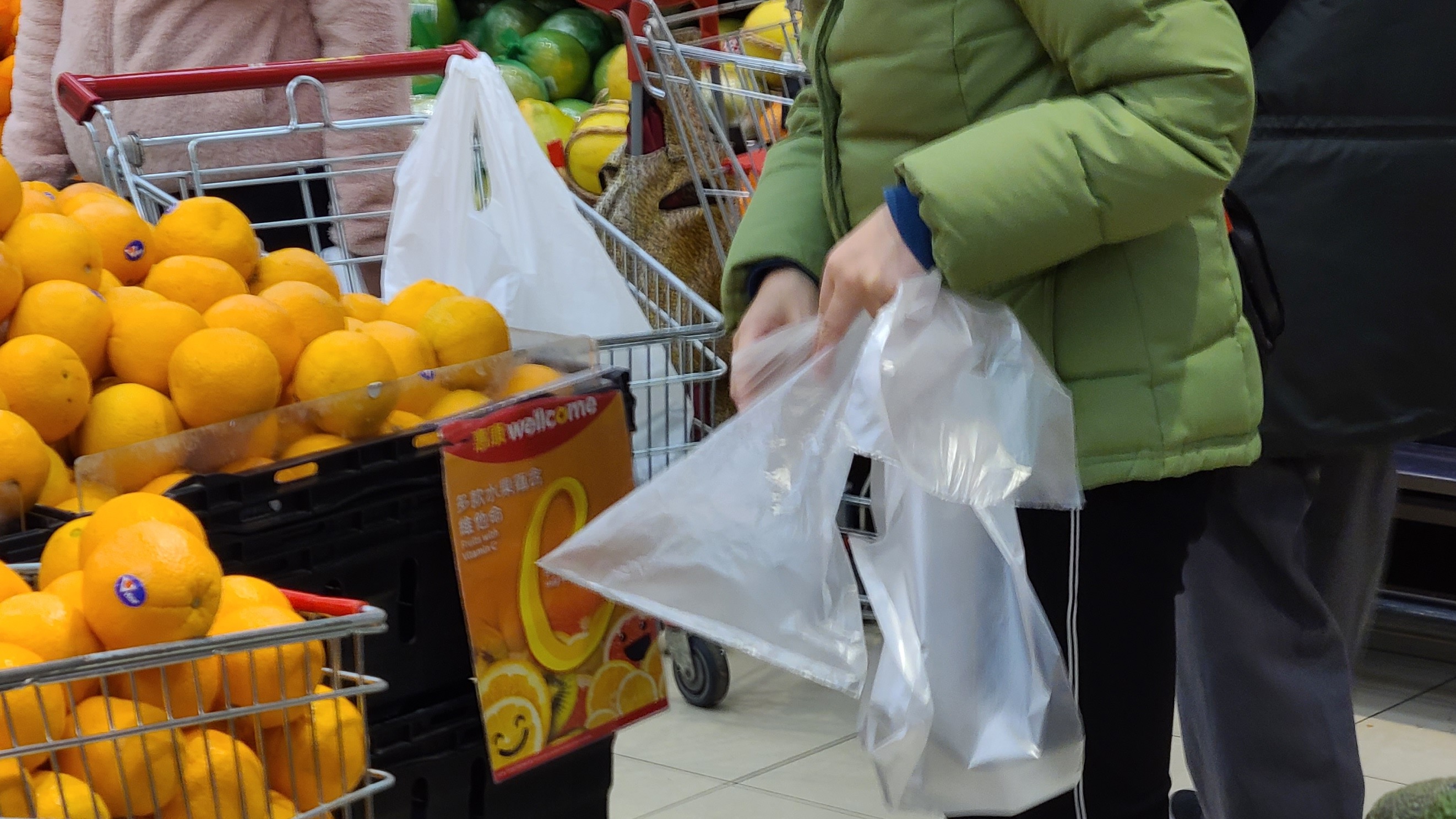
(2022 年 9 月 3 日 專欄)「慳得一蚊得一蚊」是某連鎖大型超市2008年的廣告口號,時至今日依然深入民心。在這個物價高昂的社會,一元或許買不到甚麼,但每當提及加價,那怕是一元幾毫,升斗市民依然肉緊,膠袋徵費就是好例子。
We use cookies to enhance your browsing experience, serve personalized ads or content, and analyze our traffic. By clicking "Accept All", you consent to our use cookies.


 Green Talks

 23 Mar 2026